For anyone making the switch from traditional smoking to vaping, the sheer variety of options can initially seem overwhelming, but understanding the basics is the key to a successful transition. E-liquid, often referred to as vape juice, is the fundamental fluid used in electronic cigarettes that is heated to create the vapour you inhale. Mastering the basics of E-liquids 101 is essential for tailoring your experience, as it allows you to control nicotine intake, flavour intensity, and vapour production to suit your personal preferences. This guide breaks down everything you need to know about the composition and selection of these fluids to ensure you get the best possible start on your vaping journey.
Navigating the world of vaping requires a reliable partner, and finding a trusted UK Vape Shop is often the first step for many new vapers looking for quality advice and products. The market is filled with various terminologies and chemical names that might sound intimidating at first, but they are actually quite simple once explained. By the end of this article, you will have a comprehensive understanding of what goes into your device and how to choose the perfect bottle for your needs.
What Exactly Is E-liquid Made Of?
This is perhaps the most common question asked by beginners who are concerned about what they are inhaling compared to cigarette smoke. The composition of e-liquid is actually remarkably simple and typically consists of just four main ingredients which are propylene glycol, vegetable glycerin, flavourings, and nicotine. Unlike tobacco smoke which contains thousands of harmful chemicals and tar, Vape Juice is designed to be a cleaner delivery system for nicotine. Each ingredient plays a specific role in your vaping experience, working together to deliver satisfaction, flavour, and the visual sensation of smoking.
The formulation is created in laboratory environments to ensure safety and consistency across different batches. It is important to note that while the ingredients are considered safe for consumption in food, their inhalation effects have been studied extensively to ensure they meet safety standards. In the UK, regulations are particularly strict regarding these ingredients, ensuring that what you buy from reputable sources is free from harmful additives like diacetyl.
Propylene Glycol (PG)
Propylene Glycol, or PG, is a thin and odourless liquid that acts as the primary carrier for flavouring and nicotine in your e-liquid. It is responsible for the "throat hit" that many ex-smokers crave, which simulates the sensation of smoking a traditional cigarette. Because it has a thinner consistency, it is easier for the heating coil in your device to absorb, reducing the risk of dry hits in smaller devices.
You will find PG in many everyday items, including asthma inhalers, toothpaste, and food products, which speaks to its safety profile. In the context of vaping, a higher PG content usually means a sharper flavour and less visible vapour. If you are looking for a discreet vape that feels like smoking, you will likely want a fluid with a significant amount of PG.
Vegetable Glycerin (VG)
Vegetable Glycerin, or VG, is a thicker and sweeter liquid derived from vegetable oils that is responsible for producing the dense clouds of vapour associated with vaping. It is much more viscous than PG and requires more power and larger wicking holes in the coil to be vaporised effectively. High VG liquids are smoother on the throat, making them ideal for high-powered sub-ohm devices.
The natural sweetness of VG can slightly alter the taste of the e-liquid, often making sweet or dessert flavours taste even better. However, because it is thick, it can build up residue on your coils faster than PG-based liquids. Vapers who enjoy "cloud chasing" or visual tricks almost exclusively use liquids with a very high percentage of VG.
Flavourings
The flavourings used in e-liquids are food-grade concentrates that give the vapour its distinct taste, ranging from tobacco and menthol to complex desserts and fruits. These are highly concentrated and only make up a small percentage of the overall liquid volume. The variety of flavours is one of the main reasons people stick with vaping, as it moves them away from the taste of burning tobacco.
There are occasional questions regarding the nutritional impact of these sweet-tasting additives. For instance, health-conscious vapers often ask do vapes have calories, and it is reassuring to know that the caloric content is negligible and does not affect blood sugar levels. The sweetness comes from the aroma and artificial sweeteners rather than fermentable sugars, making them safe for almost everyone.
Understanding the PG/VG Ratio
The ratio of PG to VG is what determines the physical properties of your vape, including how it feels in your throat and how much cloud it produces. A standard starting point for most users is a balanced blend, often referred to as a 50/50 ratio, which offers the best of both worlds. This balance ensures you get enough flavour and throat hit while still producing a satisfying amount of vapour.
For those using smaller, pen-style devices or pod systems, 50/50 eliquids are the gold standard because they are thin enough to wick efficiently without leaking. Conversely, if you use a large, powerful box mod, you will likely need a 70/30 (High VG) ratio to prevent the liquid from being too thin and causing leaks or spitting. Understanding this ratio is crucial because using the wrong thickness of liquid can lead to burnt coils or a leaking tank.
Choosing the Right Nicotine Strength for E-liquids 101
Selecting the correct nicotine strength is arguably the most critical step in E-liquids 101, as getting this wrong can lead to an unsatisfying experience or feeling unwell. If the nicotine is too low, you may find yourself reaching for a cigarette, but if it is too high, it might be too harsh to inhale comfortably. The goal is to match the nicotine delivery to your previous smoking habits.
Heavy smokers who consume a pack a day or more will typically need a higher strength, such as 18mg or 20mg, to keep cravings at bay. Social smokers or those who have already reduced their intake might find 3mg or 6mg sufficient. It is always better to start slightly higher to ensure your cravings are met and then gradually reduce the strength over time.
|
Smoking Habit |
Recommended Strength |
Device Type |
|
Heavy Smoker (20+ per day) |
18mg - 20mg (Nic Salt) |
Pod System / Starter Kit |
|
Average Smoker (10-20 per day) |
10mg - 12mg |
Pod System / Pen Style |
|
Light Smoker (Up to 10 per day) |
3mg - 6mg |
Sub-Ohm / Pen Style |
|
Social Smoker |
0mg - 3mg |
Any Device |
Types of Nicotine Formulations
Not all nicotine affects the body in the same way, and the vaping industry has evolved to offer different types of nicotine to suit different preferences. The traditional form is called freebase nicotine, which has been used for decades in nicotine replacement therapies. This form is known for providing a strong "throat hit," which becomes more pronounced as the nicotine strength increases.
Freebase nicotine is excellent for those who associate the physical sensation of smoke hitting the back of the throat with satisfaction. However, at high strengths like 18mg, it can be too harsh for some modern vapers. This limitation led to the development of a newer formulation that has revolutionized the industry for beginners.
Nicotine Salts
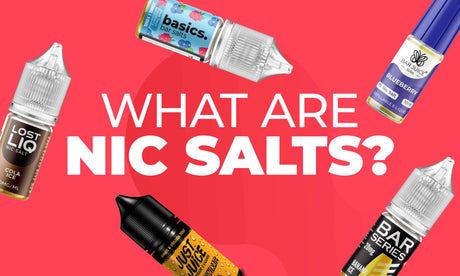
Nicotine salts, or nic salts, are a modified form of nicotine that includes a natural acid, usually benzoic acid, to lower the pH level of the liquid. This chemical change allows the nicotine to be absorbed into the bloodstream much faster, similar to the speed of a cigarette. More importantly, it neutralises the harshness, allowing you to vape high strengths like 20mg without a painful throat hit.
For beginners, nic salts are often the best choice because they provide immediate relief from cravings and are very smooth to inhale. They are specifically designed for low-power devices and pod systems. If you have tried vaping before and found it too harsh or unsatisfying, switching to nicotine salts could make all the difference.
Shortfills and Longfills
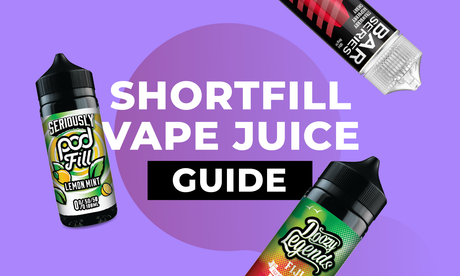
As you progress in your vaping journey, you might encounter larger bottles known as shortfills. Under UK law, nicotine-containing liquid cannot be sold in bottles larger than 10ml, so manufacturers sell larger bottles of nicotine-free liquid with space left at the top. You then buy a separate 10ml "nic shot" to pour into the bottle, creating a larger volume of nicotine-containing liquid.
Shortfills are typically high in VG and are designed for sub-ohm devices that consume a lot of liquid. They offer better value for money for heavy users who blow big clouds. While they require a little bit of mixing, they are a staple for experienced vapers who want to buy their favourite flavours in bulk.
Common E-liquid Flavours
The sheer range of flavours available is one of the biggest advantages vaping has over smoking. While tobacco and menthol flavours are popular starting points for those who want to replicate the smoking experience, many vapers quickly move on to fruit, dessert, or beverage flavours. Experimenting with different profiles is essential to finding what works for you.
Fruit flavours are the most popular category, ranging from simple strawberry or apple to exotic blends like mango and lychee. Dessert flavours offer a richer experience, replicating the taste of custards, cakes, and pastries. There are even beverage flavours that mimic cola, lemonade, or coffee. To avoid "vaper's tongue," where you lose the ability to taste a specific flavour, it is recommended to rotate between a few different favourites.
Safety and Regulations in the UK
The UK has some of the strictest vaping regulations in the world, which is excellent news for consumer safety. The Tobacco Products Directive (TPD) governs the sale of e-liquids, limiting bottle sizes to 10ml if they contain nicotine and capping the maximum nicotine strength at 20mg/ml. These rules also mandate that packaging must be child-resistant and tamper-evident.
Furthermore, all e-liquids sold legally in the UK must be notified to the Medicines and Healthcare products Regulatory Agency (MHRA). This ensures that ingredients are tested and that no banned substances are present. When you buy from a reputable UK supplier, you can be confident that the product has undergone rigorous testing standards.
Conclusion
Understanding the fundamentals of vape juice is the first step toward a healthier, smoke-free life. By mastering the concepts of E-liquids 101, such as PG/VG ratios and nicotine strengths, you empower yourself to make choices that will keep you satisfied and away from cigarettes. Whether you prefer the sharp hit of freebase nicotine or the smooth delivery of salts, there is a perfect combination out there for you.
Remember that finding your "all day vape" might take a little trial and error, but the journey is part of the fun. At Grey Haze, we are committed to providing you with the highest quality liquids and expert advice to ensure your transition to vaping is seamless and enjoyable.
Frequently Asked Questions
What is the best e-liquid for a beginner?
For most beginners, a 50/50 e-liquid with nicotine salts is the best choice. It works perfectly in simple starter kits and provides a smooth throat hit with quick nicotine absorption, closely mimicking the sensation of smoking a cigarette.
Does e-liquid expire?
Yes, e-liquids generally have a shelf life of around 1 to 2 years. You can check the expiry date on the bottle. If the liquid changes colour significantly, smells strange, or separates, it is best to discard it and buy a fresh bottle.
Why does my e-liquid turn brown?
E-liquid can turn brown due to oxidation, which happens when the nicotine reacts with oxygen and light. This is a natural process and usually does not affect the safety of the liquid, though the flavour might degrade slightly over time.
Can I mix different e-liquids together?
Yes, you can mix different flavours to create your own unique blends. However, you should try to mix liquids with the same PG/VG ratio and nicotine strength to maintain a consistent vaping experience and avoid clogging your coil.
How do I store my e-liquid?
You should store your e-liquids in a cool, dark place away from direct sunlight and heat sources. Keeping them in a cupboard or drawer helps preserve the flavour and nicotine quality for as long as possible.